
The problem
I built the original Sundheim Group WordPress site in 2017. It worked well for a long time, and every few years Doug would reach out for small edits or a new page.
By 2020, most of his active publishing had moved to Substack. The WordPress site was no longer acting like a true CMS. It was essentially a brochure site: important for credibility, search, and navigation, but not something the team needed to log into every week.
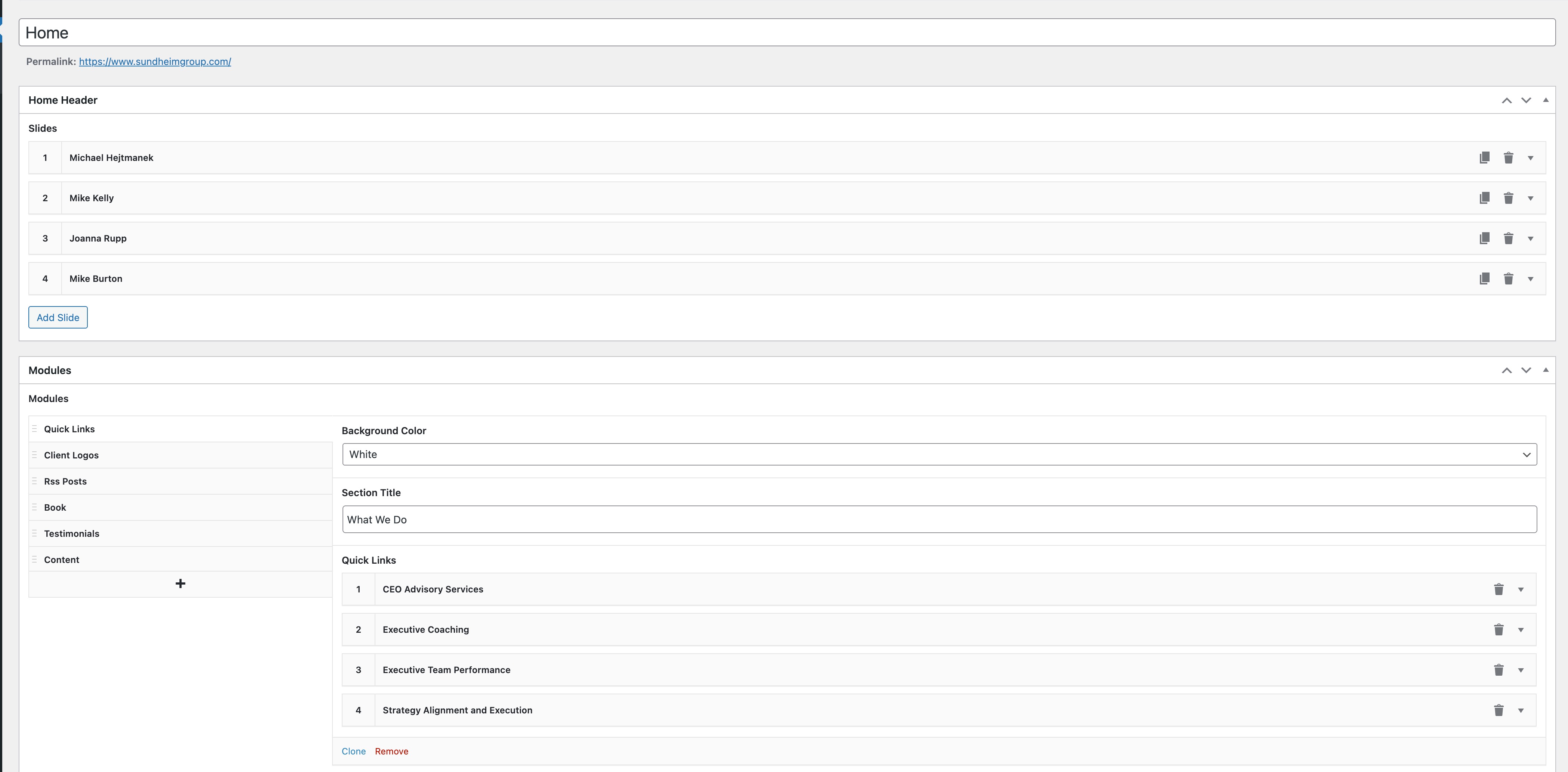
The technical stack was showing its age. The site had been built before the block editor, so the homepage and interior pages were managed with the classic editor and ACF flexible content fields. That was powerful at the time, but it was not intuitive for occasional updates. Even simple changes meant working around old theme assumptions, plugin dependencies, and a backend editing experience that no longer matched how the site was being used.
When it was time for a 2026 refresh, the question was not just “how do we update the homepage?” It was “what does this site actually need to be now?”
The options
We looked at three paths.
The first option was to keep the old WordPress build and layer the requested changes onto the existing theme. That would have been the fastest short-term path, but it meant continuing to invest in an old pre-block-editor setup.
The second option was to rebuild the whole site in modern WordPress. That would have created a better editing experience, but it also would have been the most expensive option. For a site that mostly needed to present services, case studies, evergreen content, and links to Substack, a full WordPress rebuild would have taken months and produced a front end that looked largely the same to visitors.
The third option was to rebuild the site in Astro, keep the approved visual direction, and simplify the whole operating model.
That was the right fit.
Astro Benefits
-
Hosting costs went to zero.
The old site needed managed WordPress hosting, even though the site no longer needed a live CMS for day-to-day publishing. The Astro rebuild can be deployed directly to Cloudflare as static files, which removes the monthly hosting bill for this kind of brochure site.
-
Site speed drastically improved.
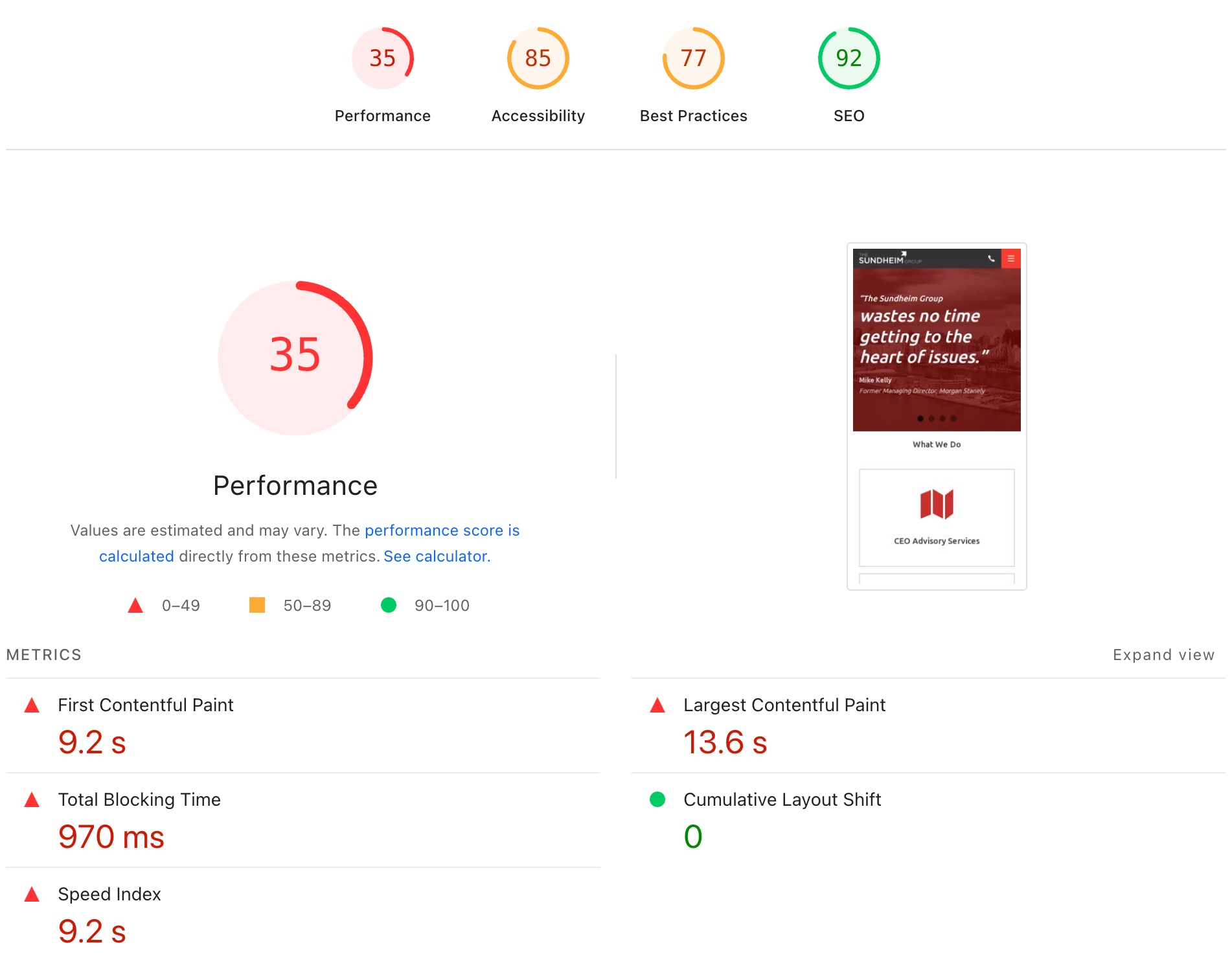
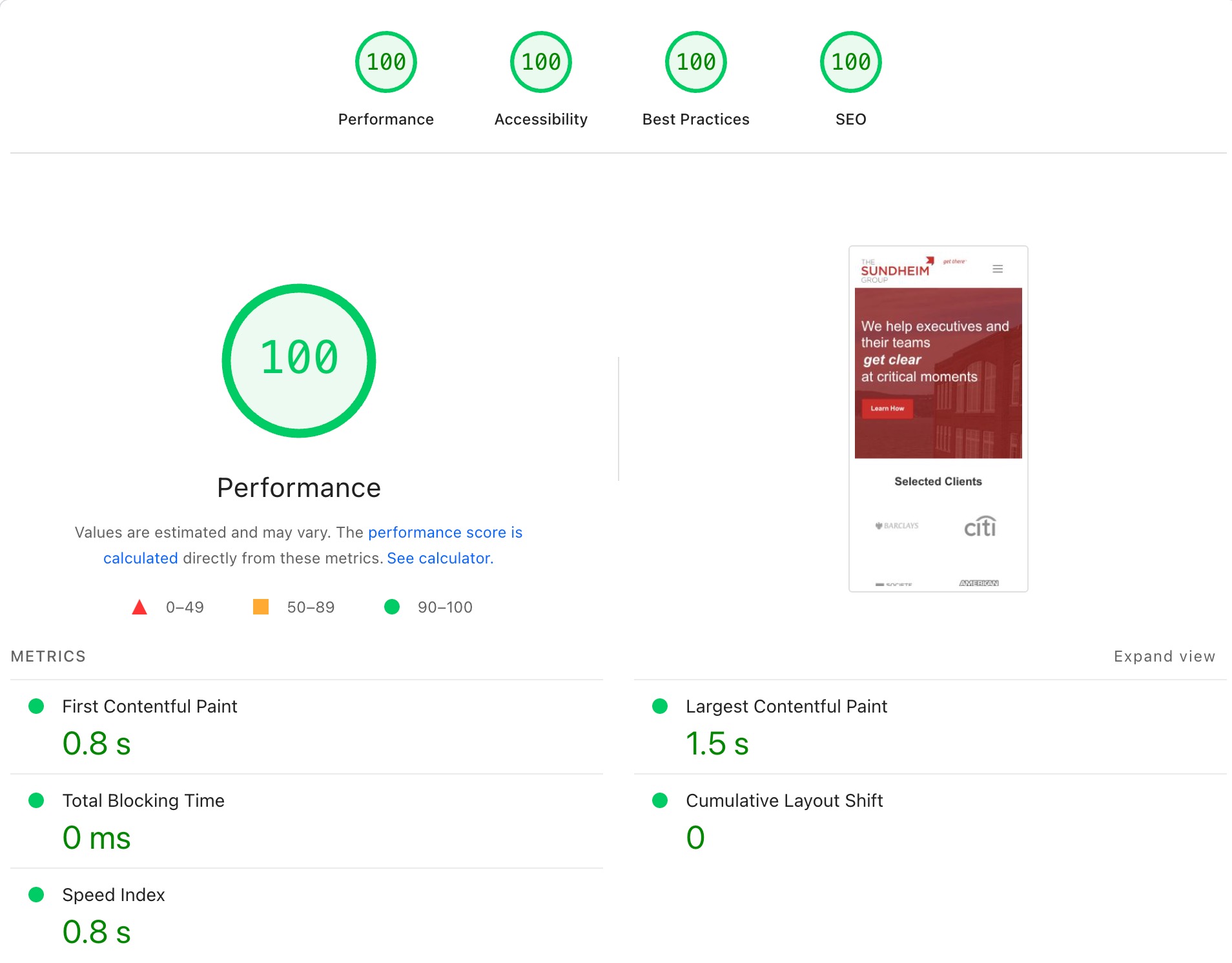
The old WordPress site scored 35 for mobile performance in PageSpeed Insights. The new Astro site scored 100 across Performance, Accessibility, Best Practices, and SEO. First Contentful Paint dropped from 9.2 seconds to 0.8 seconds, Largest Contentful Paint dropped from 13.6 seconds to 1.5 seconds, and Total Blocking Time dropped from 970ms to 0ms.
-
Security risks were removed.
An old WordPress site running plugins that have not been meaningfully updated in years is a maintenance burden and a security risk. Keeping that kind of site healthy usually means paying for managed hosting, monitoring, updates, backups, and support. The Astro version is deployed as static HTML, CSS, and JavaScript. There is no WordPress admin area, database, PHP runtime, or plugin stack sitting online waiting to be patched. The site only needs development attention when the content or code actually changes.
The solution
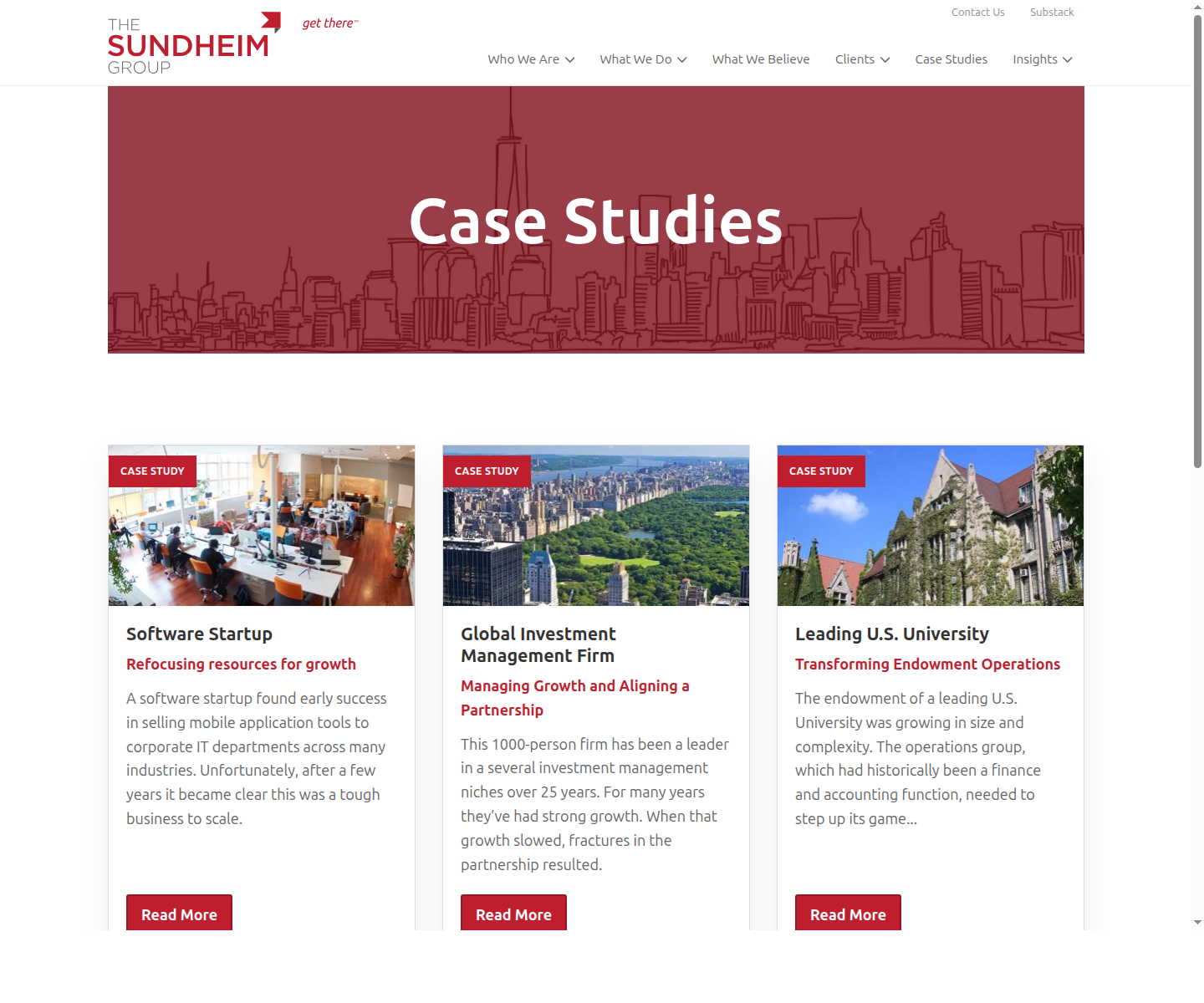
We rebuilt the Sundheim Group site as a static Astro site deployed to Cloudflare.
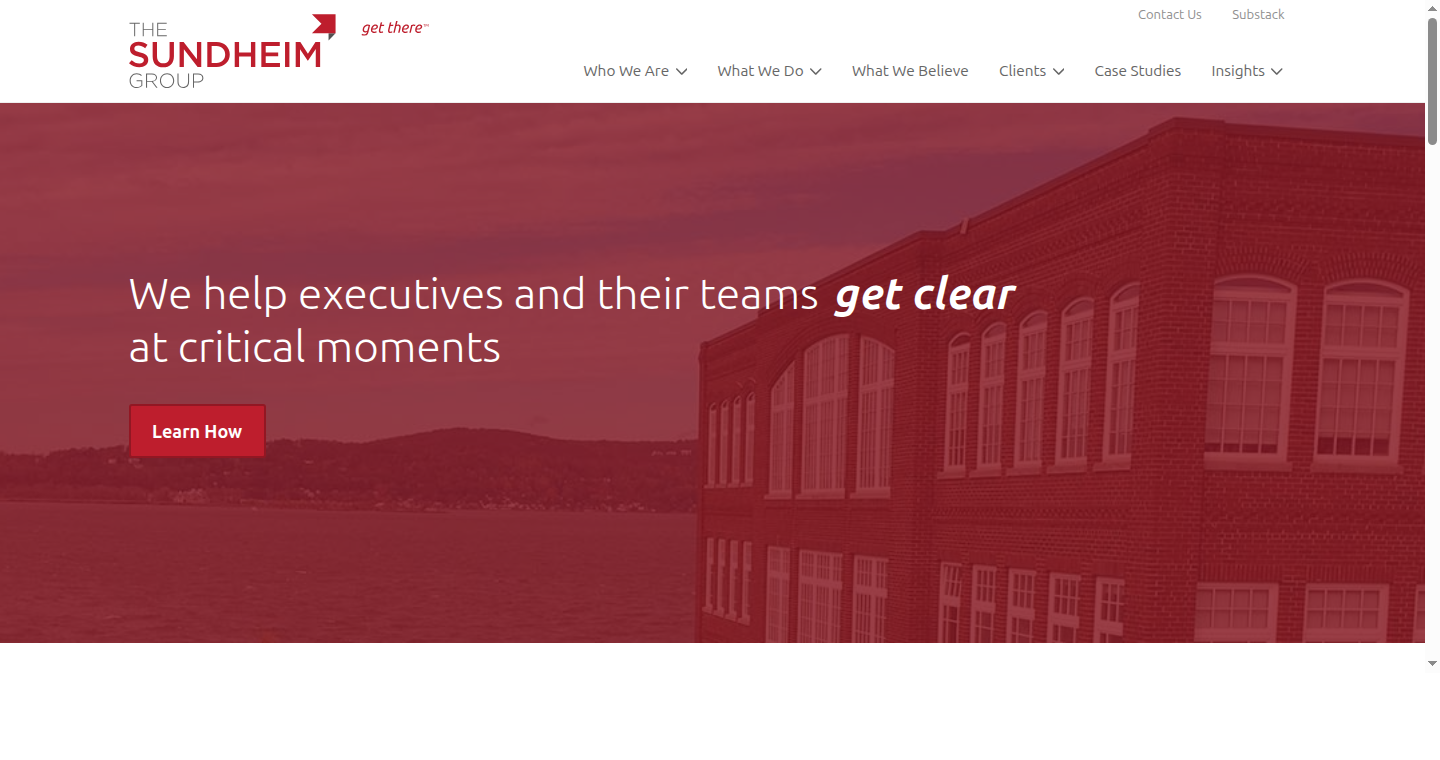
The goal was not to redesign the brand from scratch. Sundheim already had a calm, professional visual system. The rebuild preserved that look and converted the implementation into cleaner, reusable pieces.
The pages became a set of structured, reusable Astro components instead of a page assembled from legacy WordPress markup. We also kept the content model practical. Standard pages, case studies, redirects, SEO metadata, and machine-readable surfaces are version-controlled in the repository. Future changes are made in code, reviewed, committed, pushed, and deployed. For this particular site, that is a better fit than keeping a live WordPress admin area, database, plugin stack, and managed host around for occasional content changes.
The outcome
The site now matches what Sundheim Group actually needs: a fast, secure, low-maintenance marketing site that presents the firm well and routes ongoing publishing to Substack.
Hosting costs dropped to effectively zero because the site can be served as static files on Cloudflare. There is no WordPress database to maintain, no plugin update cycle, and no old admin surface sitting online for a site that no longer needs day-to-day CMS editing.
The tradeoff is that content edits now happen through the repository instead of a WordPress dashboard. In this case, that is not a downside. Doug was already emailing occasional content updates, and the frequent publishing work already happens in Substack.
This is the kind of project where Astro makes a lot of sense: preserve the front-end experience people recognize, remove the CMS complexity they no longer need, and leave behind a site that is faster, simpler, and easier to keep healthy.